Catalog changes, policy interpretations, RF rectification, factory audit details — we write only the part you can act on. Each piece follows “what it is, who it affects, what to do”, so one pitfall avoided on the certification path saves a month of schedule.
5 sections · 64 in-depth articles · updated weekly · all original, with sources and last verification date noted
A pre-launch certification checklist for smart locks (Bluetooth/Wi-Fi/fingerprint): the wireless module must have SRRC type approval, CCC catalog placement needs prior determination, and lock-body safety should be self-checked against GB 21556. We explain how the three sets of requirements divide up, how to merge multiple models into one unit, and what extra work the door-viewer camera version requires.
Robot vacuum certification checklist: whole-device SRRC approval for Wi-Fi + Bluetooth, CCC placement under household appliance standards, compliance assessment of the LiDAR (dToF/LDS), plus requirements for the charging dock and lithium battery. We identify which step most often drags the timeline and how to handle Wi-Fi module rectification.
Practical TipsSmart plug/switch certification checklist: CCC safety (mandatory) and SRRC wireless approval running in parallel. For low-priced, high-volume categories, the real fear is being delisted from e-commerce because certification wasn't complete. Four frequent pitfalls: missed accessories, series coverage across models, Zigbee versions, and certification budgets on low-cost products.
Practical TipsNetwork camera/video doorbell certification checklist: beyond whole-device Wi-Fi SRRC approval and CCC catalog determination, imaging-data compliance and cloud service descriptions are becoming new sticking points in listing reviews. We explain wireless configuration tiers, how to word cloud storage descriptions, and the certification differences between overseas and China versions.
 Practical Tips
A pre-launch certification checklist for smart locks (Bluetooth/Wi-Fi/fingerprint): the wireless module must have SRRC type approval, CCC catalog placement needs prior determination, and lock-body safety should be self-checked against GB 21556. We explain how the three sets of requirements divide up, how to merge multiple models into one unit, and what extra work the door-viewer camera version requires.
Practical TipsRobot vacuum certification checklist: whole-device SRRC approval for Wi-Fi + Bluetooth, CCC placement under household appliance standards, compliance assessment of the LiDAR (dToF/LDS), plus requirements for the charging dock and lithium battery. We identify which step most often drags the timeline and how to handle Wi-Fi module rectification.
 Practical Tips
Smart plug/switch certification checklist: CCC safety (mandatory) and SRRC wireless approval running in parallel. For low-priced, high-volume categories, the real fear is being delisted from e-commerce because certification wasn't complete. Four frequent pitfalls: missed accessories, series coverage across models, Zigbee versions, and certification budgets on low-cost products.
 Practical Tips
Network camera/video doorbell certification checklist: beyond whole-device Wi-Fi SRRC approval and CCC catalog determination, imaging-data compliance and cloud service descriptions are becoming new sticking points in listing reviews. We explain wireless configuration tiers, how to word cloud storage descriptions, and the certification differences between overseas and China versions.
Practical TipsCertification checklist for AI talking dolls and smart toys: beyond CCC for electric toys and SRRC for Wi-Fi/Bluetooth, material safety and voice-content compliance for children's products form a third gate. We explain CCC determination for toys, approval of connected modules, and self-checks for child-facing voice interaction compliance.
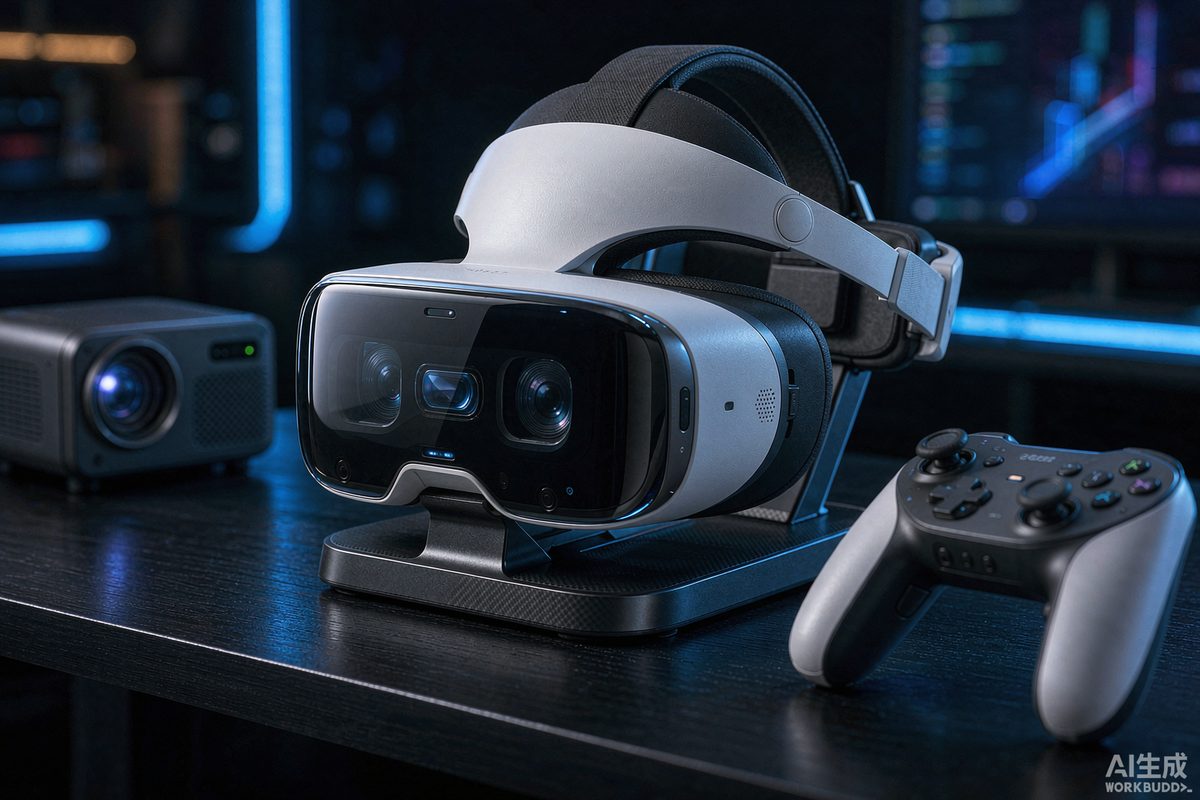
Practical TipsVR/AR headset certification checklist: whole-device SRRC approval for Wi-Fi 6 + Bluetooth, CCC filing for all-in-one units (with battery), photobiological safety assessment for near-eye displays, plus approval of the controller's proprietary 2.4G protocol. Also the difference in certification paths between all-in-one and tethered (phone-connected) designs.
Practical TipsPortable smart projector certification checklist: audio & video CCC filing, whole-device SRRC approval for Wi-Fi + Bluetooth, and battery requirements for built-in battery versions. We explain how air-cooled thermal structures affect RF, the optical safety of dual colour-temperature/laser light sources, and how the bundled remote is classified.
Pitfall AlertsPower banks and lithium-ion batteries are now in the CCC mandatory certification catalog — a risk checklist for shipping under the old approach (UN38.3 or voluntary certification only): e-commerce spot checks, channel access, market supervision. We explain how to handle power bank CCC, the filing relationship between cells and finished products, and how to plan time and budget.
 Practical Tips
AI glasses/AR glasses certification checklist: on top of the Bluetooth earbud checklist (SRRC + accessory CCC), three blocks are added — camera imaging compliance, optical safety of face-adjacent displays, and human exposure assessment for worn scenarios. We explain how the glasses form factor affects RF testing and how to divide units across versions (optical, camera, audio).
 Practical Tips
Service robot (delivery/reception/cleaning) certification checklist across five tracks: Wi-Fi + 4G connectivity, LiDAR, voice interaction, high-capacity batteries and charging dock requirements. We explain how commercial robots differ from consumer ones, the network access requirements for carrier connectivity, and how on-site integration affects submitted samples.
 Practical Tips
The full Network Access License chain for phones (including 5G terminals): TAC range application, network access test items, review and issuance, and carrier onboarding. We explain how phones differ from other telecom terminals (IMEI/TAC, band combinations, OS version management), how to schedule the timeline, and common rejection reasons.
 Practical Tips
The certification path for 5G/4G CPE and MiFi: beyond running the Network Access License, SRRC approval and CCC in parallel, carrier onboarding is the hurdle that actually decides whether you get into the channel. We explain how CPE certification differs from phones, the test impact of antenna gain, and how to handle models with external antennas.
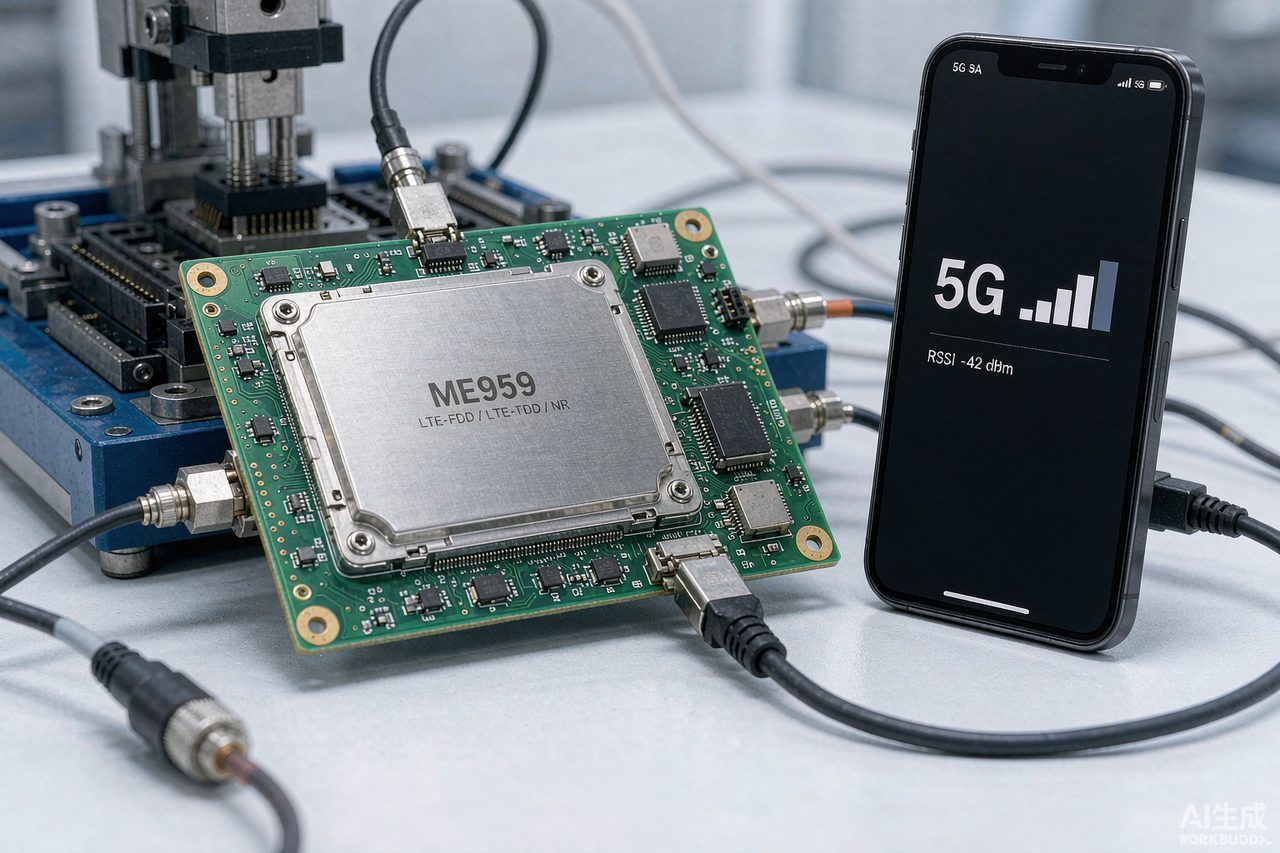
Certification WikiHow 4G/5G cellular modules relate to whole-device certification: a module can obtain its own approval and network access, but the device still has to file — which items can reference module data, which must be retested on the device, and how work splits between module maker and device maker. One relationship table sets out the boundary between referencing and retesting.
Practical TipsCertification paths for optical modems/ONUs/OLTs: how the telecom equipment Network Access License, CCC, carrier onboarding and centralised procurement fit together. We explain key test points for GPON/EPON equipment, the qualification list for carrier procurement, and the differences between home gateways and enterprise equipment.
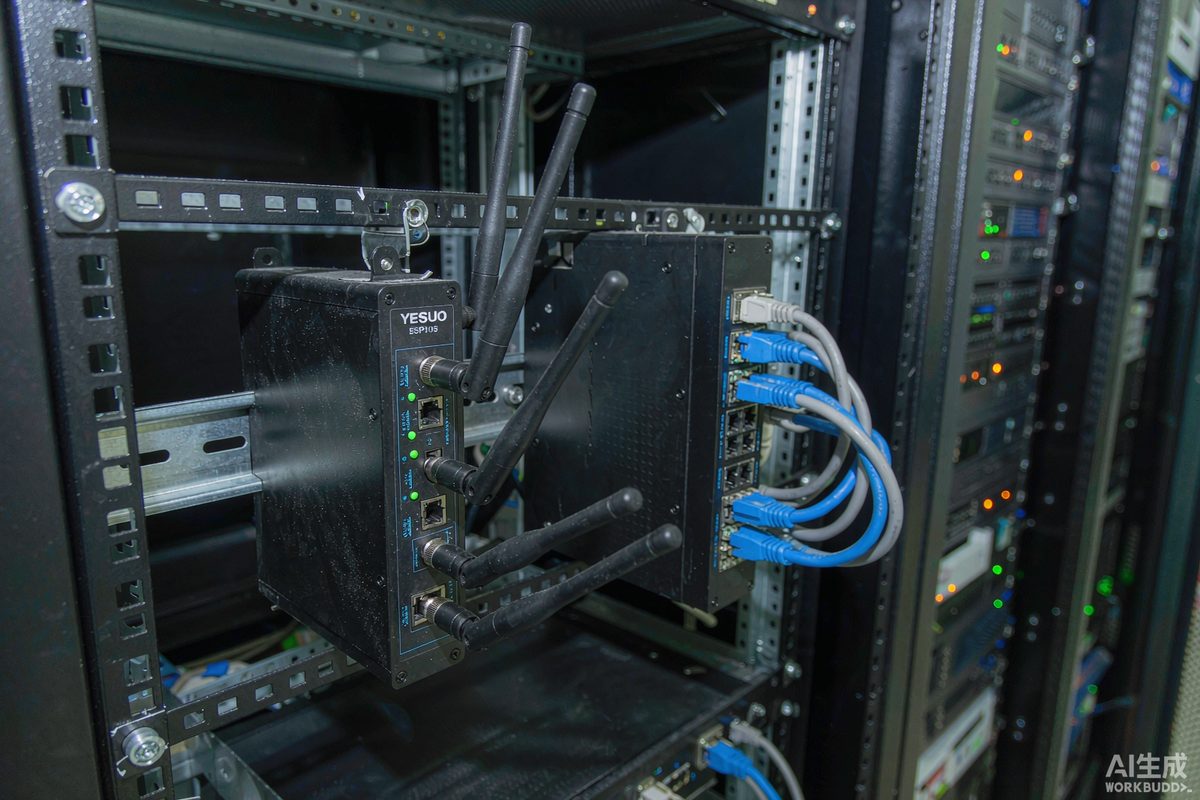
Practical TipsCertification paths for industrial routers/gateways: approval and network access for cellular + Wi-Fi multi-module designs, the effect of wide-temperature design on testing, and CCC placement for DIN-rail form factors. We explain how industrial models differ from consumer routers, how to handle expansion serial/IO modules, and the supplementary certification list for export-to-domestic sales.
Practical TipsCertification checklist for DTU/RTU data transmission units: network access and approval for Cat.1/Cat.4 cellular modules, determining the filing entity by embedded form (module board or complete device), and how responsibility is split along the chain when selling to integrators for further embedding. We explain which form is cheapest to file and how to manage changes.
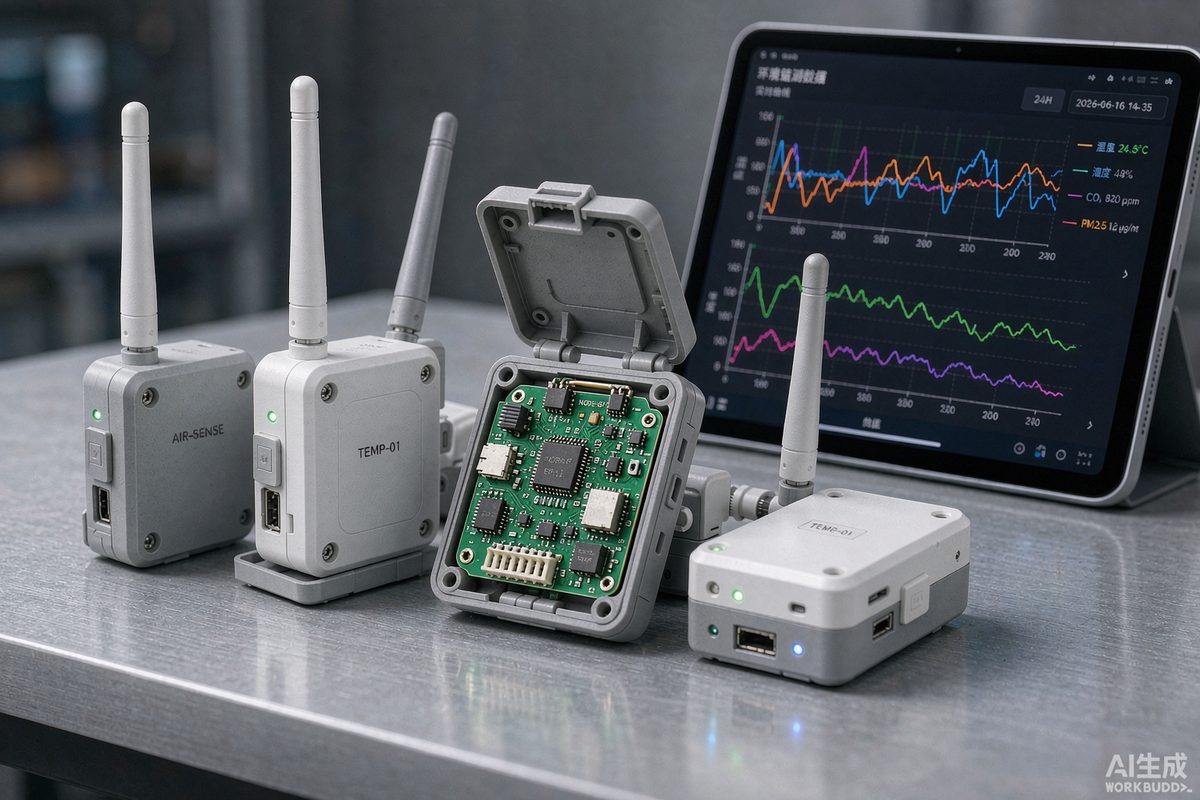 Practical Tips
Dual tracks for smart water/gas/heat meter certification: NB-IoT wireless compliance (approval and network access) plus statutory metrological instrument control (type approval etc.). We explain the sequencing between the two, module reuse strategies, and the common misjudgement that “all wireless certificates are in, so we can sell”.
Practical TipsCertification checklist for GPS trackers, asset trackers and loss-prevention tags: filing strategy for multi-technology combinations of BLE + 4G + GNSS + UWB. We explain that GNSS reception needs no approval, what BLE and cellular do require, that UWB counts as transmitting equipment needing approval, and the extra compliance points for child/elderly tracking products.
 Practical Tips
Certification route for Tiantong satellite phones and dual-mode terminals: the cellular side follows the phone/terminal process (network access + approval + CCC), while the satellite side is filed under the satellite terminal category. We explain the filing basis for dual-mode terminals, the RF variables of the satellite antenna, the differences between shipborne and vehicle-mounted forms, and carrier network entry.
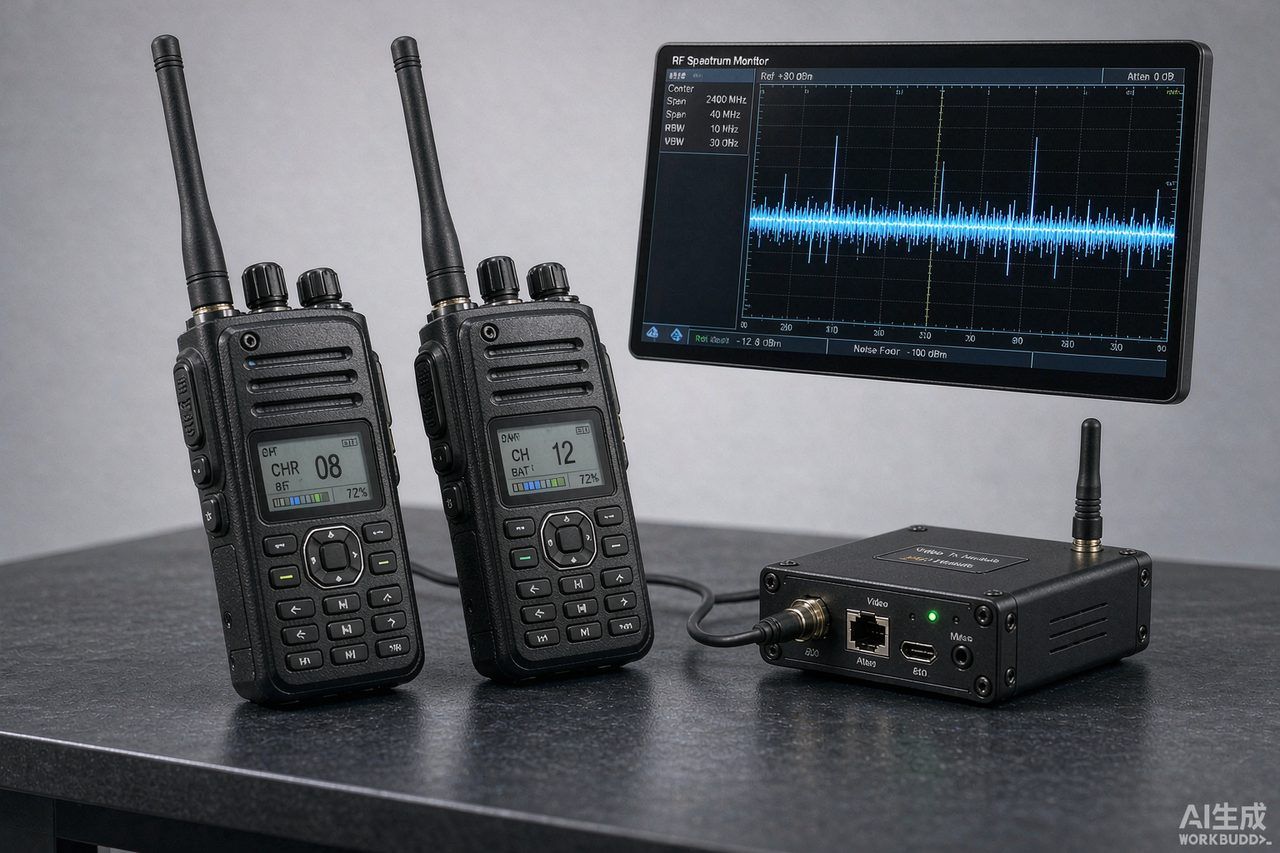 Practical Tips
Intercom certification splits into two paths: conventional analogue/digital radios (radio transmitting equipment, with SRRC approval at the core) and public-network trunking radios (cellular-connected, classed as telecom terminals, requiring a Network Access License). We explain the criteria for each path, frequency use, SIM/platform requirements for public-network radios, and how to handle export models.
Practical TipsCertification checklist for RTK receivers and modules: GNSS positioning is receive-only and needs no approval; what actually has to be filed is the 4G link, the Bluetooth/Wi-Fi link to the data controller, and BeiDou-only specific testing. We explain how filings split across the RTK product line and the difference between base stations and rovers.
 Practical Tips
Approval essentials for millimetre-wave radar (traffic/security/automotive/sensing): test requirements follow the band and the application, and antenna arrays with beam scanning make the test scope more complex than conventional RF equipment. We explain band selection, sample form, test positioning and common failure items.
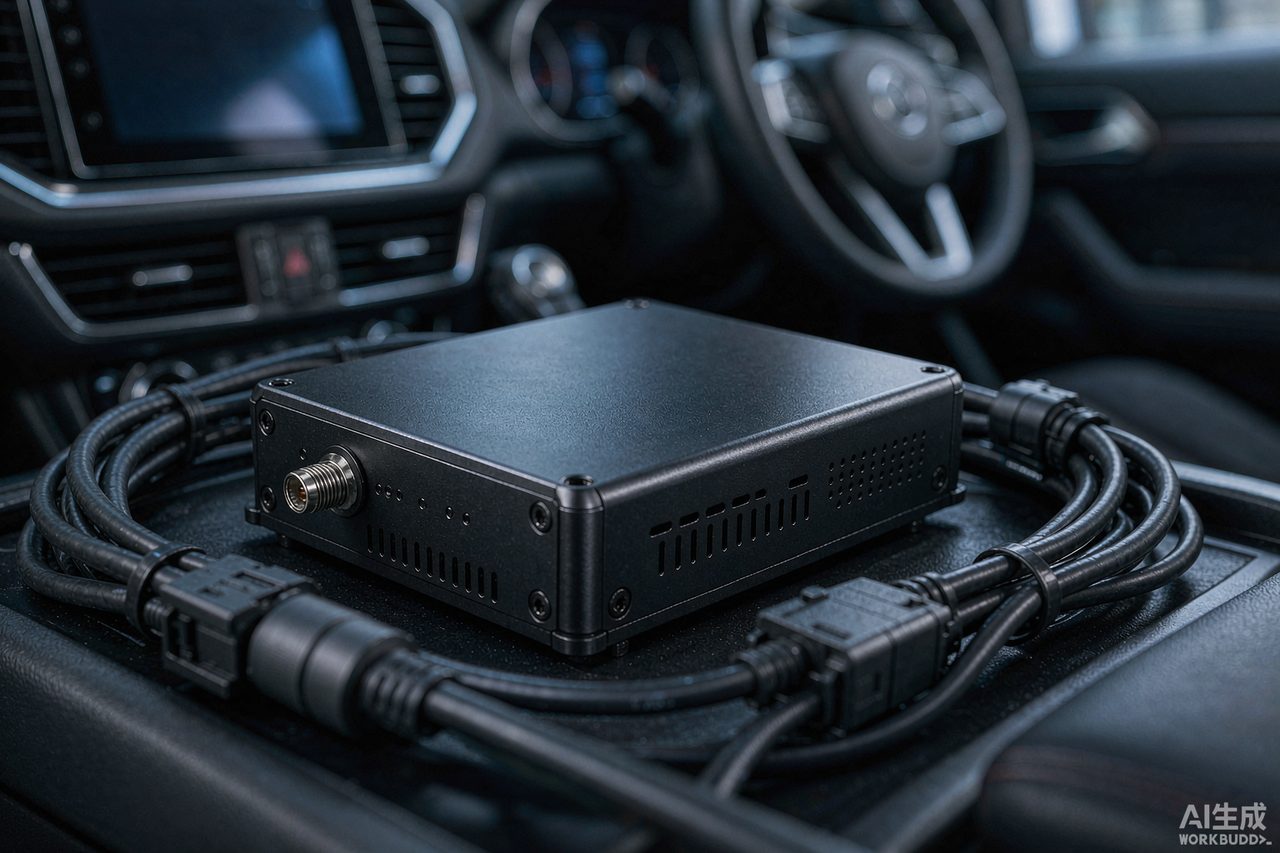 Practical Tips
Dual certification tracks for C-V2X equipment (vehicle OBU, roadside RSU): PC5 direct communication is approved as radio transmitting equipment, while Uu cellular communication goes through network access as a telecom terminal. We explain how each track is determined, how roadside installation forms are handled, module referencing and test samples.
Practical TipsConsumer drone (aerial photography) certification checklist: SRRC approval for 2.4G/5.8G video and remote-control links, GB 42590 safety requirements, lithium battery UN38.3 and real-name registration guidance. We explain how to file multi-link devices, how obstacle-avoidance sensors are treated, and the difference between industry and consumer models.
Practical TipsSmart speaker/display speaker certification checklist: whole-device approval for Wi-Fi + BLE, audio & video CCC, plus three additions specific to voice-interaction products — acoustic requirements for microphone arrays, data compliance for cloud voice interaction, and optical safety and touch control on display versions.
Practical TipsDual certification tracks for standalone smoke and combustible gas alarms: fire alarm products fall under the CCC mandatory catalog, while the NB-IoT/BLE connectivity is approved and filed for network access separately. We explain the sequencing, battery and service-life design, and qualification alignment for smart fire-safety projects.
Practical Tips4G dashcam certification checklist: SRRC approval for Wi-Fi/Bluetooth, a Network Access License for 4G, CCC catalog determination (most dashcams are not in the mandatory catalog), plus how the automotive environment affects samples and testing. We explain how dashcam certification differs from T-BOX.
 Practical Tips
Change management for type approval: what each of these triggers — a structural change, an antenna change, a firmware RF parameter change, a model name change. One “change × action” table sets out which changes require re-approval, which go through change filing (priced by band) and which only need to be documented.
Practical TipsMaintaining a CCC certificate over its 5-year validity: how to prepare for the annual surveillance audit, how to file product changes, and how to schedule renewal at expiry. We explain the three post-certification timelines, the most frequent non-conformities in surveillance audits, and the risk of letting a certificate gather dust.
 Certification Wiki
A round-up of official lookup portals for CCC, SRRC type approval and Network Access Licenses: which fields to check, what certificate statuses exist, and how to spot “screenshot certificates” and “number-borrowed certificates”. A verification checklist for procurement and channel staff.
Practical TipsSample requirements for certification submission: how many units and what configuration SRRC approval, network access and CCC each need; spare units for multi-orientation testing and destructive tests; and the three details in sample preparation that most often delay the schedule.
 Pitfall Alerts
Cost structure after a certification failure: retest fee rules, components and labour for rectification, the agent's follow-up cost — and who bears what. Five questions to ask before signing, so you avoid a cheap contract and expensive rework.
Practical TipsWhat to do when details need changing after certification: how a company rename, trademark change or model-naming adjustment is handled under CCC and the SRRC/network access systems, the documents and timeline required, and why you should update the business registration before the certificate.
Certification WikiCompliance determination for LoRa and proprietary 433/470 MHz protocol devices: the conditions for applying the low-power short-range transmitting device catalog, which devices are exempt from type approval and which are not, and the three requirements behind “exemption from approval is not exemption from compliance”.
Practical TipsHow to use the on-site quote tool: choose the certification type, choose the device, review the range and cost breakdown — three steps to a budget order of magnitude for project approval. How to read the range, how expediting affects the numbers, and how to get a precise plan next.
Certification WikiA roadmap for project managers handling certification for the first time: the actions in six stages, the deliverable from each, and the five most common mistakes. After reading, you can judge which route your product takes and who to ask for what.
Practical TipsSRRC type approval fees break into four parts: official testing fees, agency service fees, additional whole-device radiation testing and a rectification reserve. We break down how device type, module count and service model affect the total, and give three savings paths you can lock in at project approval.
Practical TipsThe typical SRRC type approval timeline splits into four stages: account and documents about 2 weeks, lab testing 2–4 weeks, CMIIT ID issuance, and the paper certificate 2–3 weeks. We go stage by stage through what drags and what can be compressed, and give a scheduling method that works backwards from your launch date.
Practical TipsA complete document checklist for SRRC type approval: the four company qualification documents, technical and graphic materials, and sample requirements, with the purpose, common rejection reasons and preparation tips for each, plus a one-page self-check sheet.
 Practical Tips
The telecom equipment Network Access License process broken down: the timeline and deliverables for all 9 steps, which stages need carrier cooperation, which documents most often go wrong, and the ongoing compliance actions required after certification.
Practical TipsHow Network Access License fees are calculated: service price = testing fee + agency fee (10% of the testing fee); the testing fee varies with the air-interface combination, whether the device is smart, and whether SAR is included. Cellular terminals are also charged for TAC / IMEI ranges. Includes a budgeting method and the negotiation floor.
Practical TipsThe six-step CCC compulsory certification process: catalog comparison, application acceptance, type testing, factory inspection, certificate delivery and post-certification surveillance. The deliverables, duration range and frequent sticking points for each step, plus how the 2–6 month total is allocated.
Pitfall AlertsAn inventory of frequent CCC type-test non-conformities: uncertified safety components, creepage and clearance distances, EMC overruns, and nameplate or manual defects. The handling order sorted from lowest to highest rectification cost, and which fixes must be designed in before tooling.
Pitfall AlertsThree frequent sticking points in testing at designated Network Access License bodies: inconsistent filing documents, samples that don't meet requirements, and test metrics that fail. We explain how to rule each out in advance and the order of magnitude of rework cost for each.
Practical TipsHow to schedule when three certificates stack up for a communication terminal: which documents and samples can be reused, which tests can be submitted together, how to run the three tracks in parallel, and a project timetable template that works backwards from the launch date.
Policy AnalysisWe break down the differences and overlap between SRRC type approval and CCC compulsory certification across three dimensions — legal basis, competent authority and subject of review — then give the order in which to decide which certificate a wireless product needs, with 5 common misjudgements.
Certification Wiki9 screening questions for choosing a certification agency: quotation basis, service scope, lab relationships, rectification capability, post-certification service and contract terms. Each question comes with what a trustworthy answer looks like, plus a question list you can copy outright.
Catalog updatesCCC catalog adjustments usually take three forms — additions, removals and refined descriptions. This article traces how such changes flow through to certification units, key components and marking, and gives companies three actions: self-check models on sale, verify certificate coverage, and plan the transition period.
Catalog updatesAll 17 catalog categories broken down one by one, with applicable product examples, a quick self-check method and common misjudgements — determine in 10 minutes whether your product is listed.
Practical TipsA module approval certificate does not mean the whole device is exempt from testing. Using four typical scenarios, this article shows how changes to the antenna, enclosure and RF parameters affect the whole-device approval obligation, and gives device makers a three-question test they can apply directly, plus a document preparation checklist.
Practical TipsWhat a 5G terminal Network Access License review covers, why applications get rejected and how to compress the schedule: from protocol conformance, RF and EMC to document consistency, we break down five frequent rejection reasons and a four-stage scheduling method.
Practical TipsAn NB-IoT terminal has three things to do: SRRC type approval, a Network Access License and carrier onboarding tests. This article clarifies the boundary between the three, test considerations for low-power devices and four common sticking points.
Practical TipsUsing TWS Bluetooth earbuds as an example, we explain China's mandatory certification combination: determining CCC and SRRC applicability, checking the approval status of the wireless module, and planning filing order and timeline.
Practical TipsHow to determine CCC catalog placement for Wi-Fi 6/6E routers, the compliance path for the 6 GHz band in China, and key RF test points such as power spectral density, out-of-band emissions and DFS — with a method for merging multiple models into one unit.
Practical TipsBeiDou short-message terminals involve three sets of requirements: SRRC, the Network Access License, and BeiDou-only / BeiDou special testing. This article clarifies how the three relate, what the special testing covers, how samples can be shared, and the additional approvals for shipborne and airborne scenarios.
Pitfall AlertsAdd eSIM and a smart watch turns from consumer electronics into a telecom terminal. This article reviews a real project to show the cost of missing the Network Access License: supplementary testing, nameplate changes, channel delisting, and a three-step remedy.
Practical TipsA T-BOX faces four sets of requirements at once: CCC, SRRC, the Network Access License and the OEM's automotive EMC requirements. This article breaks down where test items overlap and where they don't, how to schedule DV/PV phases in parallel, and the document consistency requirements for OEM-fitted projects.
Practical TipsDeclared gain not matching reality, EIRP conversion errors, and spurious or harmonic overruns — the three most common technical problems in approval testing. This article covers the cause of each, how it affects the verdict, and the correct rectification order.
Pitfall AlertsWhere should the approval code go, how should it be marked, and how does it relate to the model? Six frequent consistency errors (model suffix, manufacturer name, place of origin, software version, antenna model, mark position) and the corresponding change process.
Practical TipsA first CCC factory inspection looks at three things: the quality system, key component consistency and routine inspection capability. This article lists 8 frequent non-conformities, a 30-day preparation checklist and how to handle the opening and closing meetings.
Pitfall AlertsSix typical reasons an SRRC application fails first time: spurious emissions, harmonics, power over limit, occupied bandwidth, frequency tolerance and incorrect test mode settings. This article gives the identifying characteristics of each, the correct rectification order, and preparation for a second submission.
Certification WikiOn a CCC certificate, “manufacturer” and “factory” are not the same thing. This article explains how the certificate holder is determined under OEM/ODM, private label and import models, how to complete the authorisation chain, and what to do when changing factories or transferring a certificate.
Policy AnalysisThe Radio Transmitting Equipment Administration Regulations bring the production, import and sale of radio transmitting equipment under full-chain management. This article sets out the relationship between type approval and sales filing, the verification obligations of sellers, and four common misconceptions.
Certification WikiWhy do certification quotes vary so much? This article breaks down the three cost items — statutory fees, testing fees and service fees — explains the four variables that drive testing fees (number of units, number of bands, test items, rectification rounds), and lists six things to clarify in any quote.
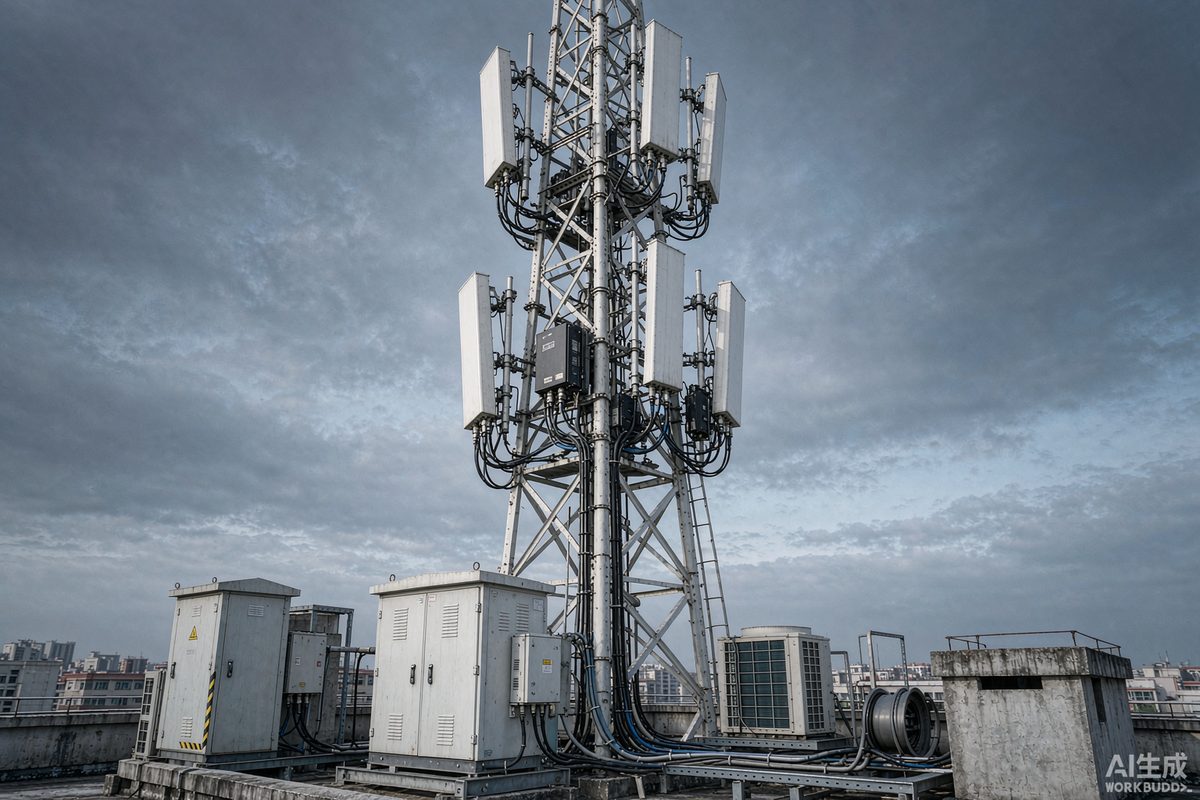
“News & Policy Analysis” is a content section of Shenzhen CTLC Testing Technology Co., Ltd., focusing on policy changes and practical details in our three core services: radio transmitting equipment type approval (SRRC), compulsory product certification (CCC) and telecom equipment network access licensing. Articles are organised by Policy Analysis、Catalog updates、Practical Tips、Pitfall Alerts、Certification Wiki five categories; every article notes its sources and the last verification date, and any referenced provisions can be traced to public documents.
We serve products across 8 product lines: wearables (smart watches, bands, earbuds, smart glasses), smart home (speakers, locks, lighting, robot vacuums, control panels), entertainment smart devices (AI toys, consoles, AR/VR, portable projectors), industrial communications (wireless data terminals, industrial routers, switches, access controllers), sensing & monitoring (smart sensors, NB-IoT terminals, environmental monitoring), basic communications (2G-5G terminals, base station ancillaries), satellite & navigation (satellite communications, BeiDou short messages, GPS positioning and navigation) and special communications (radar, emergency communications, V2X). That is why the cases and judgements in our articles come from real filing scenarios.
Answers to common questions can be found in the FAQ at the end of each article; if you need a determination for a specific model, you can submit Free Assessment, or visit Download Center to get catalog lists and application templates. Policy interpretations change quickly; this document does not constitute legal advice and the latest announcements from the competent authority prevail.