Wearables, audio, glasses and AR, drones, power products — small devices, small batteries and antennas hugging the structure, where RF metrics are highly sensitive to structural tolerances. The certification challenge on this line is not paperwork but whether RF baseline testing was done before design freeze.
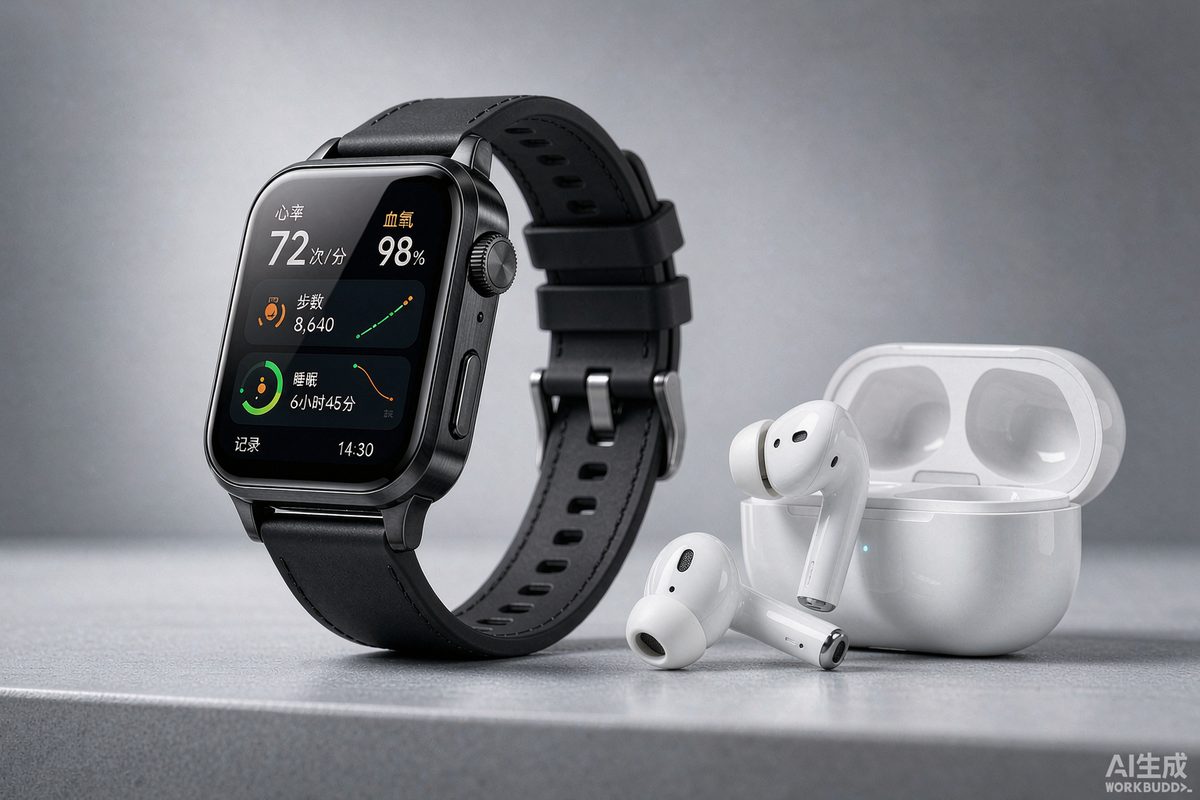
Scope covers wearables (watches, bands, rings, health monitoring patches), audio (TWS, over-ear, open-fit and bone-conduction earphones), smart glasses and AR glasses, consumer drones and aerial imaging devices, service and educational robots, action cameras, translation pens and recording devices, power banks and wireless charging devices. Technically, BLE 5.x/6.0, Wi-Fi 2.4G/5G/6GHz, NFC, UWB, GNSS and cellular (Cat.1, Cat.4, 5G, eSIM) combinations coexist; most products pair with a phone app, and RF coexistence and human exposure assessment are shared difficulties.
What we do: device-level and module-level pre-testing, antenna matching and RF power rectification, SAR over-limit rectification, shielding and filtering design, CCC/SRRC/CTA filing documents, and series model extension and difference statements.
Broken down by product form, so you can see at a glance which certificates and test items apply:
| Sub-category | Typical products & technical features | Core compliance items | Special & value-added |
|---|---|---|---|
| Wearables | Smart watches, bands, rings; BLE + GNSS, worn against the body for long periods | SRRC type approval; CCC (including adapter and built-in lithium battery); SAR and human exposure assessment; GB 4943.1 safety | Cellular versions need a separate CTA; health data and personal information compliance assessment |
| Audio devices | TWS, over-ear and bone-conduction earphones; BLE + proprietary 2.4G | SRRC; GB 4943.1; EMC; lithium battery GB 31241 and UN38.3 | Bluetooth SIG certification; call and noise-cancelling performance testing |
| Glasses & AR | Camera glasses, AR headsets; Wi-Fi 6 + BLE, with camera | SRRC; CCC (audio-visual); photobiological safety | Camera data compliance assessment; wearing comfort and battery life |
| Drones | Consumer aerial cameras; 2.4G/5.8G video link + GNSS | SRRC; GB 42590 safety requirements for civil unmanned aircraft systems; battery UN38.3 | Low-power short-range device compliance assessment; real-name registration guidance |
| Power products | Power banks, wireless charging pads; fast-charge protocols | CCC (power banks and lithium-ion batteries are now in the compulsory catalog); GB 31241 | Fast-charge protocol compatibility testing; temperature rise and cycle life |
“Core compliance items” are what regulations or industry access require; “special & value-added” items are supplementary work that strengthens competitiveness in tenders, central procurement and channel access. The table shows common cases; in practice each item is verified against the product function list and the current catalog.
All of these have caused rework in real projects — avoiding them early saves 2–4 weeks:
Formal testing takes place at designated laboratories; before submission we run baseline checks in our own RF anechoic chamber and EMC lab, so fixable issues are solved in-house.
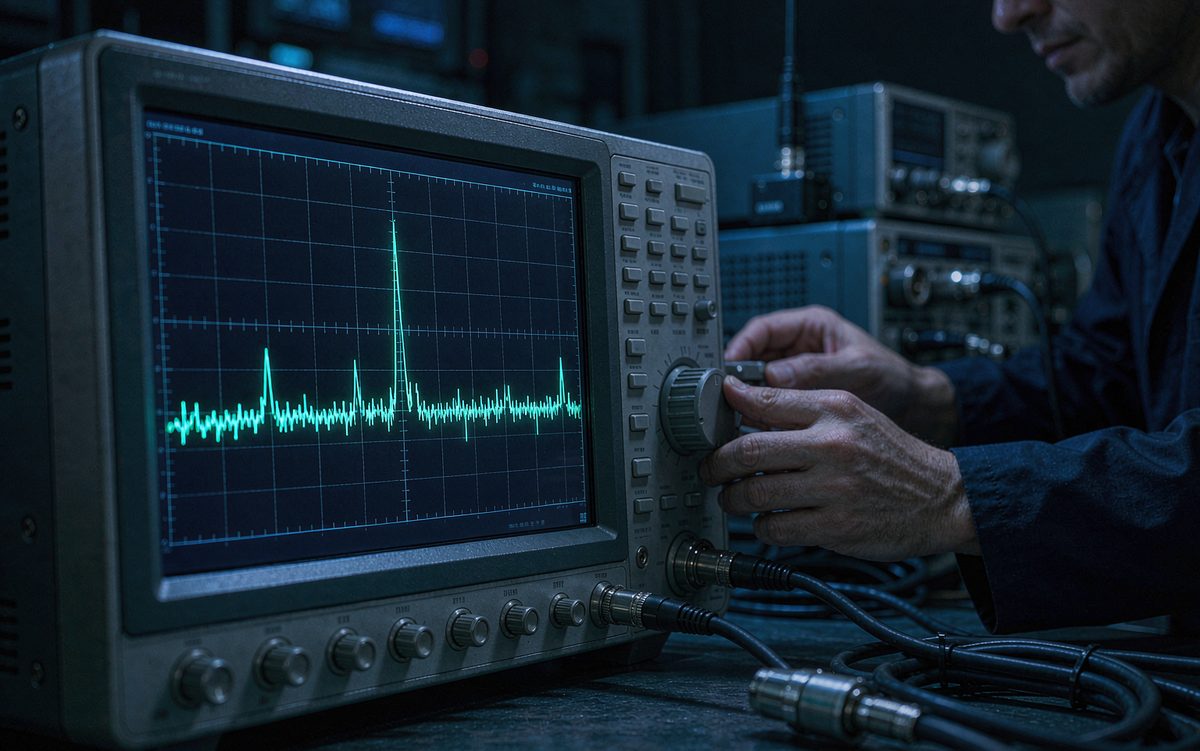
Pre-testing is not a formality. In projects on this line, spurious emissions, harmonics and EMC account for most rework, and 3–5 days of baseline testing up front often saves a whole round of laboratory queuing.
We review the datasheet, antenna documents and network topology, then issue a written determination: which certificates are needed and whether units can be combined.
Baseline runs in the anechoic chamber and EMC lab; over-limit items are fixed first, avoiding a queued formal test that gets returned.
Samples go out per the designated laboratory's schedule; we track progress and rectify non-conforming items.
Document submission, formal review, certificate issuance and marking instructions — each milestone is shared with the project owner.
Overall reference timeline 8–12 weeks, compressible with parallel filing; structural changes or retests extend it accordingly. Fees are quoted item by item according to certification scope and number of models; reference ranges are subject to our written assessment.
Representative clients on this line: 360, Zepp Health, Transtek. Specific project models and progress are subject to mutual agreement.
Industry benchmarks: Xiaomi, Huawei, HONOR, OPPO, vivo, Goertek, Luxshare Precision, Edifier, Shokz, Anker, DJI, Autel Robotics, Insta360, Rokid, RayNeo, XREAL, imoo, iFLYTEK.
Policy positions change; below are the articles and community threads we have compiled for this line: