Three directions, three compliance logics: smart entertainment adds toy safety and content compliance, smart healthcare requires determining medical device status first, smart city adds networked information security standards. Judging the direction wrong means starting the whole project over.
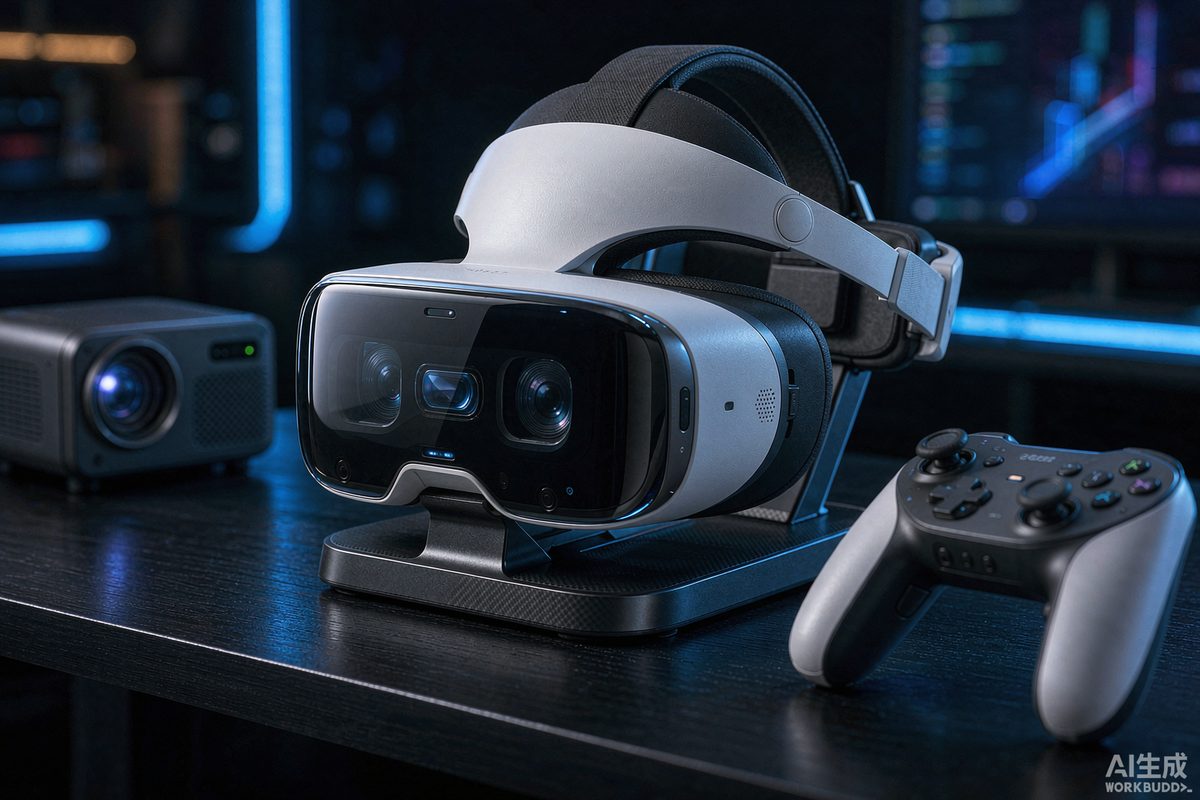
Smart entertainment: AI toys and talking dolls, story machines, game consoles and handhelds, AR/VR/MR headsets and controllers, portable projectors, e-paper readers, smart instruments — subject simultaneously to radio, safety, toy safety and content compliance. Smart healthcare: heart rate, blood oxygen, blood pressure, blood glucose, body temperature and fetal heart monitoring, home ventilators, oxygen concentrators, nebulisers, hearing aids, sleep monitoring and hospital networked monitoring — medical device status is judged first. Smart city: network cameras, access control and face recognition terminals, shared-device smart locks, government self-service terminals, charging piles, smart light poles, in-vehicle video terminals.
Compliance order is critical: for medical products, determine medical device status and classification first — medical device registration/filing is a separate qualification matter that must be handled by a body with the corresponding qualification; we handle the SRRC type approval, CCC determination and supporting electrical safety pre-testing within it. Reversing the order causes repeated document rework. Children's products follow GB 6675 / GB 19865 toy safety; networked cameras and access control must meet GB 35114 and GB/T 28181.
Broken down by product form, so you can see at a glance which certificates and test items apply:
| Sub-category | Typical products & technical features | Core compliance items | Special & value-added |
|---|---|---|---|
| Smart entertainment | AI toys, consoles, AR/VR headsets, portable projection | SRRC; CCC (audio-visual and IT); GB 6675 toy safety; GB 4943.1 | Photobiological safety and eye comfort; children's personal information compliance; content safety assessment |
| Smart healthcare | Heart rate, SpO2, blood pressure and glucose devices, ventilators, oxygen concentrators, hearing aids | SRRC; CCC (by catalog); GB 9706.1 / YY 9706.102 pre-testing | Interface with medical device determination; usability testing; software and EMC pre-testing |
| Smart city | Network cameras, access control terminals, shared-device locks, charging piles, government terminals | CCC (by catalog); SRRC; GB 35114; GB/T 28181 | Charging pile metering and protocol testing; platform integration; outdoor reliability |
“Core compliance items” are what regulations or industry access require; “special & value-added” items are supplementary work that strengthens competitiveness in tenders, central procurement and channel access. The table shows common cases; in practice each item is verified against the product function list and the current catalog.
All of these have caused rework in real projects — avoiding them early saves 2–4 weeks:
Formal testing takes place at designated laboratories; before submission we run baseline checks in our own RF anechoic chamber and EMC lab, so fixable issues are solved in-house.
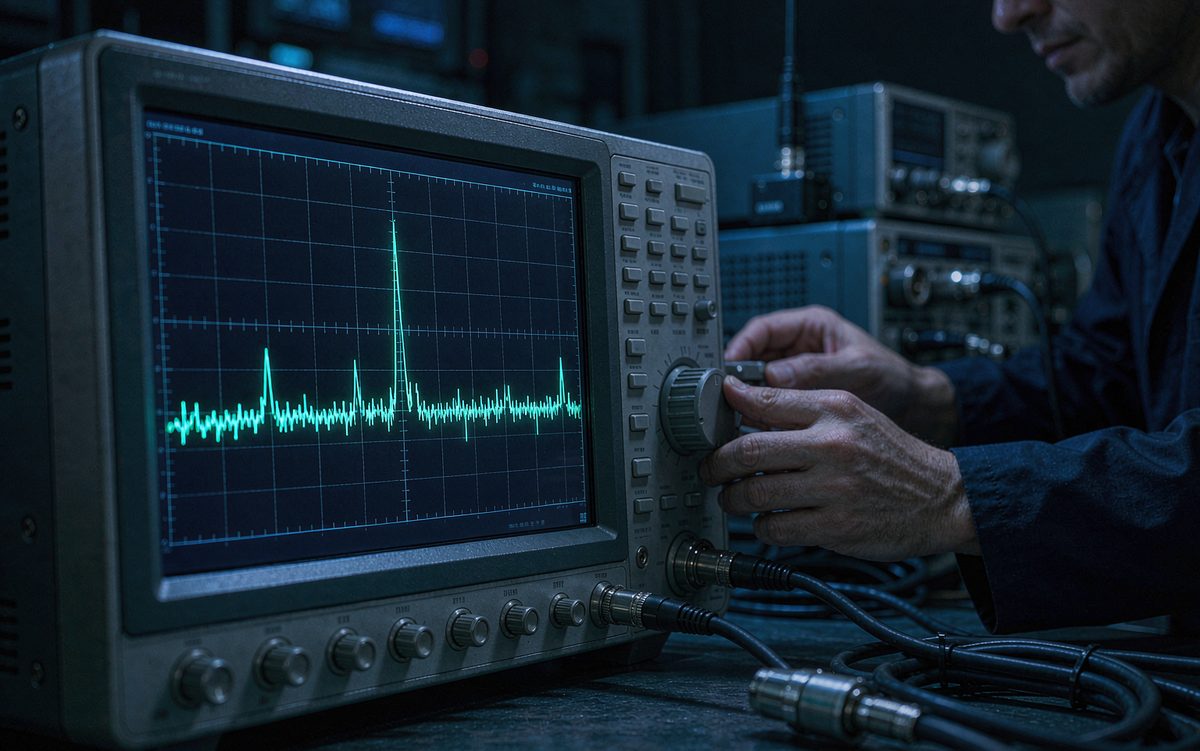
Pre-testing is not a formality. In projects on this line, spurious emissions, harmonics and EMC account for most rework, and 3–5 days of baseline testing up front often saves a whole round of laboratory queuing.
We review the datasheet, antenna documents and network topology, then issue a written determination: which certificates are needed and whether units can be combined.
Baseline runs in the anechoic chamber and EMC lab; over-limit items are fixed first, avoiding a queued formal test that gets returned.
Samples go out per the designated laboratory's schedule; we track progress and rectify non-conforming items.
Document submission, formal review, certificate issuance and marking instructions — each milestone is shared with the project owner.
Overall reference timeline 8–14 weeks, compressible with parallel filing; structural changes or retests extend it accordingly. Fees are quoted item by item according to certification scope and number of models; reference ranges are subject to our written assessment.
Representative clients on this line: JMGO, Wanwei Digital, Atomwise. Specific project models and progress are subject to mutual agreement.
Industry benchmarks: XGIMI, Dangbei, Fengmi, ByteDance Pico, Tencent, Sfun, Alpha Group, Huohuotu, iFLYTEK, Rokid, RayNeo, DPVR; Mindray, Yuwell, Lepu Medical, Sinocare, Cofoe, Edan, Andon, Weigao Group, Omron, SonoScape; Hikvision, Dahua, Uniview, China TransInfo, Gosuncn, Streamax, VanJee, Genvict, TELD, Star Charge.
Policy positions change; below are the articles and community threads we have compiled for this line: