Sensors, low-voltage electricals, metering instruments, monitoring and warning devices — this line spans very different product forms, so determining CCC and SRRC placement comes first; cellular or NB-IoT remote transmission adds a network access license.
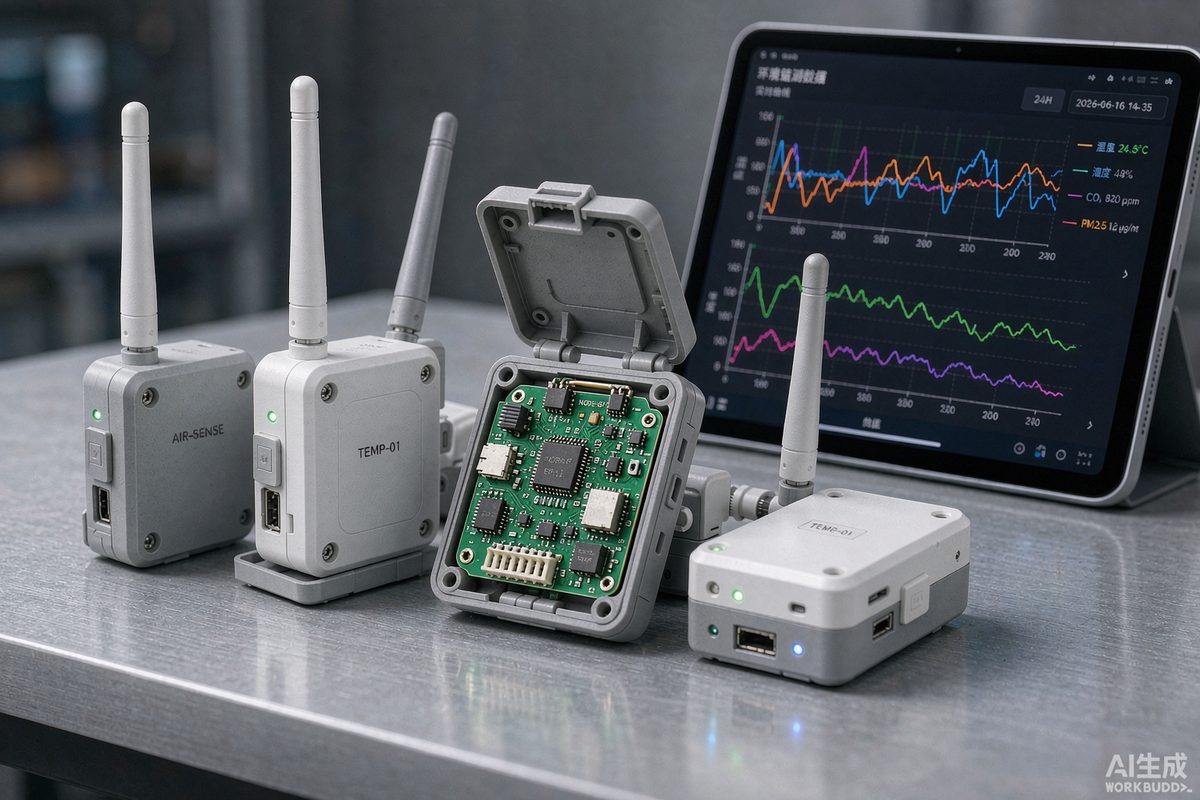
Scope covers temperature, humidity, pressure, gas, optical, infrared and acceleration sensors and modules, smart instruments and handheld test equipment, smart switches and breakers, NB-IoT IoT terminals, environmental monitoring equipment (dust, noise, water quality, cooking fumes, VOC) and active warning devices (combustible gas alarms, standalone smoke detectors, water leak detectors, electrical fire monitoring). Analogue front ends combine sensitive elements with signal conditioning; metering products face high demands on accuracy class and long-term drift, while remote-transmission products need attention to live-network attach stability.
What we do: sensor calibration and consistency testing, alarm response time and false-alarm rate verification, CCC/SRRC placement determination and three-certificate filing, low-power and long-term stability assessment, and advice on adapting to on-site installation environments.
Broken down by product form, so you can see at a glance which certificates and test items apply:
| Sub-category | Typical products & technical features | Core compliance items | Special & value-added |
|---|---|---|---|
| Sensor components | Temperature, pressure, gas, optical and infrared sensors; sensor modules | CCC and SRRC determined by device placement | Accuracy and consistency calibration; long-term stability and temperature drift |
| Low-voltage apparatus | Smart switches, breakers, sockets; with metering or communication functions | CCC (low-voltage electricals are in the catalog); EMC; SRRC (when wireless) | Breaking capacity and mechanical life; temperature rise and dielectric strength |
| Metering instruments | Smart electricity, water and gas meters; NB-IoT remote reading | CCC (by catalog); SRRC; NB-IoT remote reading adds CTA | Metering accuracy testing; NB-IoT attach testing |
| Monitoring & warning | Environmental monitoring equipment, combustible gas alarms, standalone smoke detectors | SRRC; CCC (by catalog); cellular reporting adds CTA | Alarm response time and false-alarm rate; ingress protection rating |
“Core compliance items” are what regulations or industry access require; “special & value-added” items are supplementary work that strengthens competitiveness in tenders, central procurement and channel access. The table shows common cases; in practice each item is verified against the product function list and the current catalog.
All of these have caused rework in real projects — avoiding them early saves 2–4 weeks:
Formal testing takes place at designated laboratories; before submission we run baseline checks in our own RF anechoic chamber and EMC lab, so fixable issues are solved in-house.
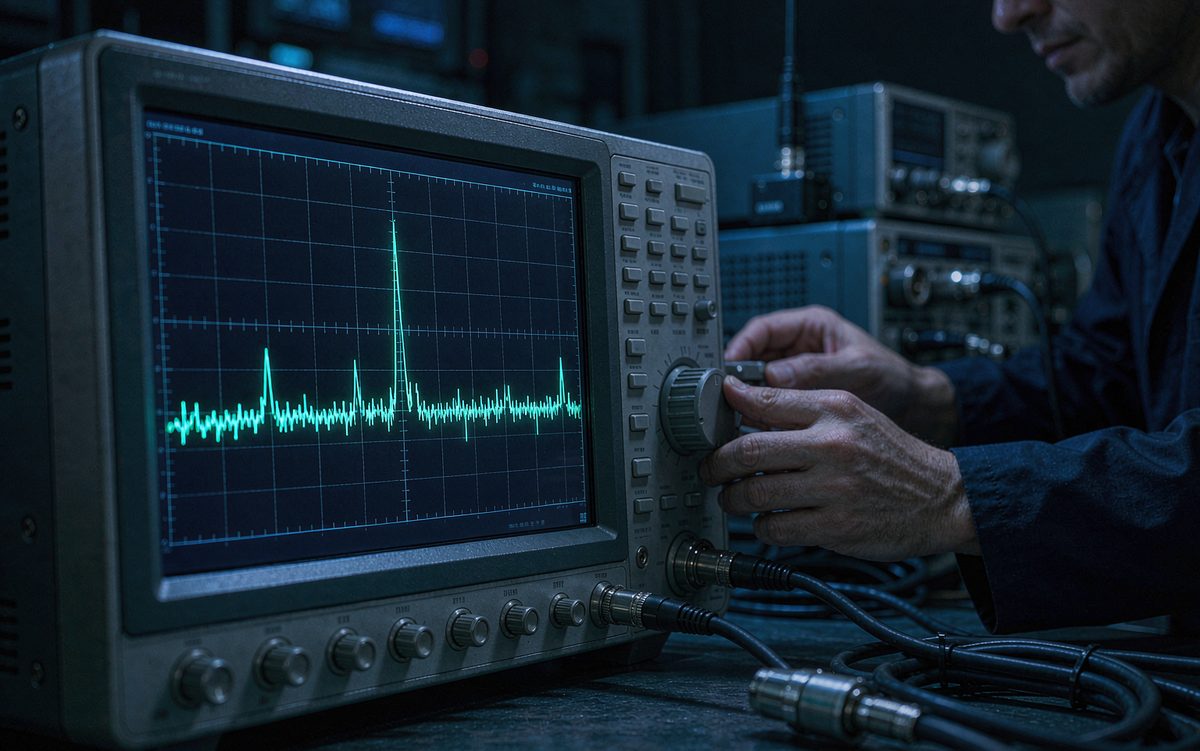
Pre-testing is not a formality. In projects on this line, spurious emissions, harmonics and EMC account for most rework, and 3–5 days of baseline testing up front often saves a whole round of laboratory queuing.
We review the datasheet, antenna documents and network topology, then issue a written determination: which certificates are needed and whether units can be combined.
Baseline runs in the anechoic chamber and EMC lab; over-limit items are fixed first, avoiding a queued formal test that gets returned.
Samples go out per the designated laboratory's schedule; we track progress and rectify non-conforming items.
Document submission, formal review, certificate issuance and marking instructions — each milestone is shared with the project owner.
Overall reference timeline 6–12 weeks, compressible with parallel filing; structural changes or retests extend it accordingly. Fees are quoted item by item according to certification scope and number of models; reference ranges are subject to our written assessment.
Representative clients on this line: Hanwei Technology, GigaDevice, Telink, Schneider, Delixi, Weigao Group, Sinocare. Specific project models and progress are subject to mutual agreement.
Industry benchmarks: Cubic Sensor, Raytron, Goodix, Goertek Microelectronics, Micro Sensor, Kunlun Coast, Ampron, CHNT, Bull Group, Liangxin, Wasion, Linyang Energy, Focused Photonics, SDL Technology, Sailhero.
Policy positions change; below are the articles and community threads we have compiled for this line: