Smart home is the messiest category: a single brand may have dozens of SKUs spread across appliance, IT/AV and lighting catalogs. Good and bad service differ in one thing — whether a single table maps the certification path for every model.
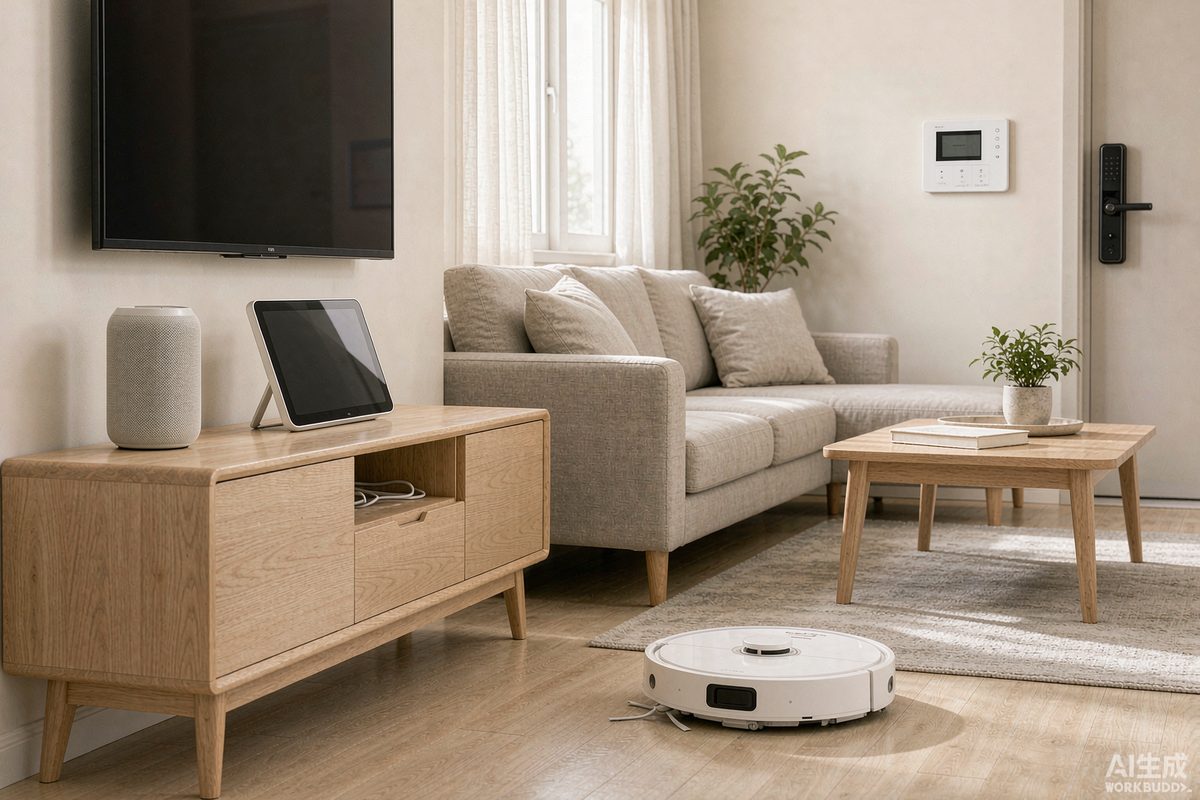
Scope covers smart speakers and control panels, smart locks (including peephole and face-recognition locks), smart lighting (bulbs, strips, panels, magnetic track lights), smart switches and sockets, robot vacuums and floor washers, curtain motors, sensors of all kinds (motion, door/window, temperature and humidity, water leak), smart drying racks, smart toilets, appliance networking modules and TV boxes. Wi-Fi, BLE, Zigbee, Thread and Matter coexist, and the mutual interference of multiple protocols on one board, gateway load capacity and dropout rates are common failure points.
What we do: multi-protocol RF coexistence rectification (suppressing Wi-Fi, BLE and Zigbee interference on one board), Mesh networking and gateway load verification, switch/socket and luminaire safety rectification, connected-function and privacy compliance guidance, and factory audit plus critical-component consistency control.
Broken down by product form, so you can see at a glance which certificates and test items apply:
| Sub-category | Typical products & technical features | Core compliance items | Special & value-added |
|---|---|---|---|
| Audio-visual interaction | Smart speakers, control panels, TV boxes; Wi-Fi + BLE | SRRC; CCC (audio-visual and IT equipment); EMC | Matter and Thread interoperability testing; voice wake and far-field performance |
| Security locks | Smart locks, peephole locks; BLE + Wi-Fi + camera | SRRC; CCC (adapter and lithium battery); GA 374 electronic anti-theft lock | Fingerprint and face module reliability; unlock data security assessment |
| Lighting & electrical | Bulbs, light strips, switches and sockets, panels | SRRC; CCC (switches and sockets are in the catalog) | Flicker and photobiological safety; dimming compatibility |
| Cleaning appliances | Robot vacuums, floor washers; Wi-Fi + BLE, with lithium battery | SRRC; CCC; GB 4706 series appliance safety; EMC | UN38.3 transport; noise and runtime; drop and reliability |
| Environment & motors | Curtain motors, drying racks, sensors; low-power networking | SRRC; CCC (by catalog); IP rating | Battery life assessment; gateway load and networking stress testing |
“Core compliance items” are what regulations or industry access require; “special & value-added” items are supplementary work that strengthens competitiveness in tenders, central procurement and channel access. The table shows common cases; in practice each item is verified against the product function list and the current catalog.
All of these have caused rework in real projects — avoiding them early saves 2–4 weeks:
Formal testing takes place at designated laboratories; before submission we run baseline checks in our own RF anechoic chamber and EMC lab, so fixable issues are solved in-house.
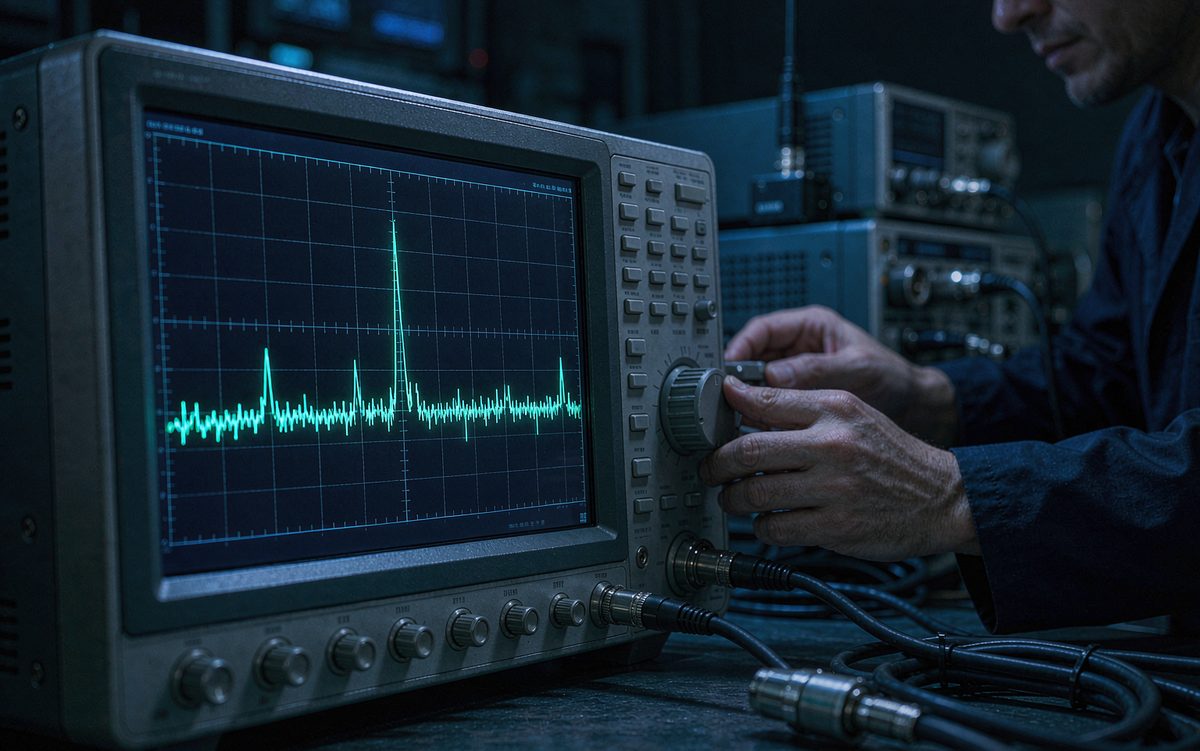
Pre-testing is not a formality. In projects on this line, spurious emissions, harmonics and EMC account for most rework, and 3–5 days of baseline testing up front often saves a whole round of laboratory queuing.
We review the datasheet, antenna documents and network topology, then issue a written determination: which certificates are needed and whether units can be combined.
Baseline runs in the anechoic chamber and EMC lab; over-limit items are fixed first, avoiding a queued formal test that gets returned.
Samples go out per the designated laboratory's schedule; we track progress and rectify non-conforming items.
Document submission, formal review, certificate issuance and marking instructions — each milestone is shared with the project owner.
Overall reference timeline 6–14 weeks, compressible with parallel filing; structural changes or retests extend it accordingly. Fees are quoted item by item according to certification scope and number of models; reference ranges are subject to our written assessment.
Representative clients on this line: Chuangmi Technology, EZVIZ, Smartmi. Specific project models and progress are subject to mutual agreement.
Industry benchmarks: Xiaomi (Mi Home ecosystem), Aqara, Viomi, Yeelight, ORVIBO, Tuya Smart, Roborock, Ecovacs, Dreame, Narwal, Kaadas, Dessmann, Loock, Bull Group, CHNT, Schneider, Midea, Gree, Haier, Hisense, TCL, Skyworth.
Policy positions change; below are the articles and community threads we have compiled for this line: