Radar, emergency communications, private-network trunking, V2X and intrinsically safe mining devices — beyond product certification these often involve administrative matters such as frequency use licences; dedicated bands must be coordinated early, and any radio transmitting part always requires type approval.
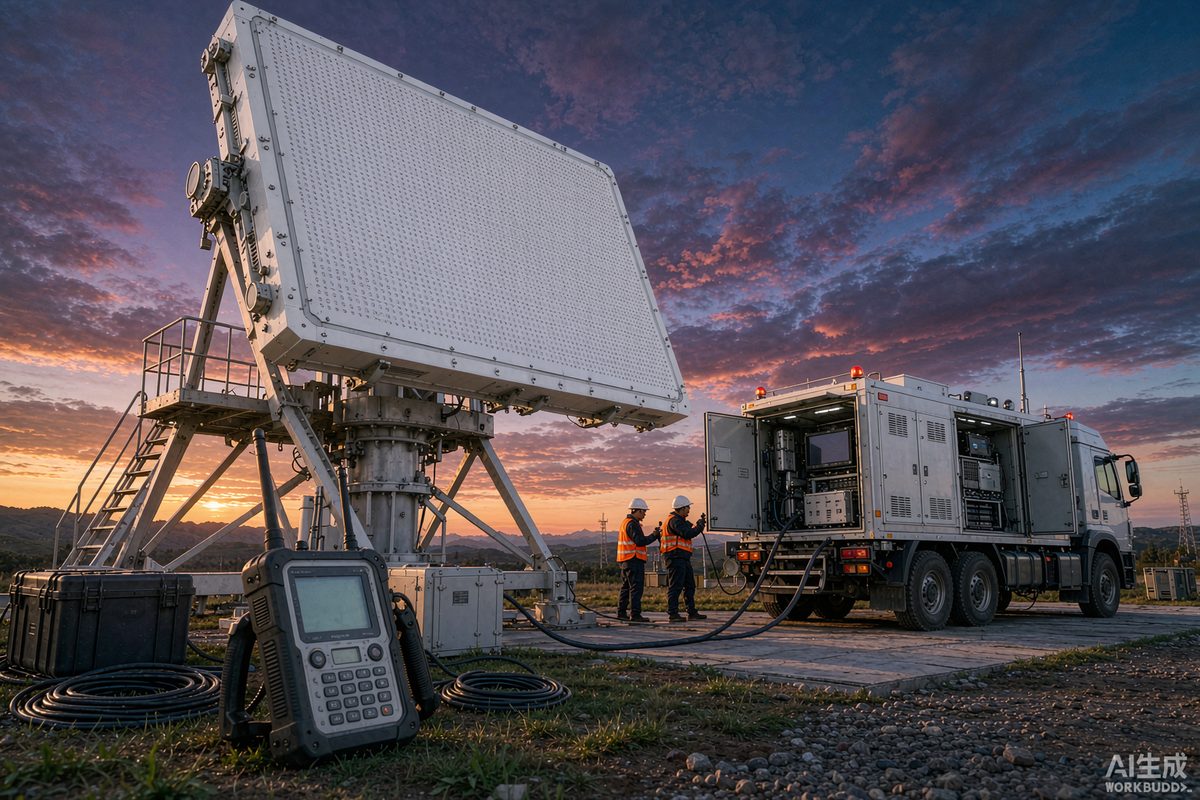
Scope covers radar equipment (mmWave radar, LiDAR, security and weather radar), emergency communication equipment (portable satellite stations, ad-hoc network radios, emergency command cases, dismounted terminals), private-network equipment (PDT, DMR and TETRA trunking base stations and terminals, broadband trunking), V2X equipment (T-BOX, OBU, RSU, V2X modules, vehicle gateways) and intrinsically safe terminals for mining and petrochemicals. Dedicated bands and narrowband/wideband trunking protocols, ad-hoc Mesh, V2X direct communication, automotive-grade wide temperature and EMC, and intrinsically safe structure and protection design.
What we do: guidance on private-network frequency use licences and radio station licence filing, SRRC type approval and network access license filing, automotive-grade EMC and environmental pre-testing, radar RF parameter and spurious testing, and reliability and interoperability verification for emergency equipment.
Broken down by product form, so you can see at a glance which certificates and test items apply:
| Sub-category | Typical products & technical features | Core compliance items | Special & value-added |
|---|---|---|---|
| Radar equipment | mmWave, laser, security and weather radar | SRRC; radio frequency use compliance; CCC (by catalog) | Radiated power and detection performance; interference and spurious suppression |
| Emergency communications | Portable satellite stations, ad-hoc network radios, emergency command cases | SRRC; earth station licensing; private-network frequency use licence | Reliability in emergency environments; interoperability and rapid networking |
| Private-network equipment | PDT, DMR and TETRA base stations and terminals | SRRC; radio frequency use licence; CTA (by access method) | Trunking protocol conformance; encryption and communication security |
| V2X | T-BOX, OBU, RSU, V2X modules, vehicle gateways | SRRC; CCC (automotive electronics by catalog); GB/T 28046 environmental testing | AEC-Q verification; GB 44495 information security pre-assessment |
| Intrinsically safe equipment | Intrinsically safe and explosion-proof terminals for mining and petrochemicals | SRRC (when radio transmission is included); CCC (by catalog) | Intrinsic safety parameter calculation; enclosure protection and withstand voltage; fault simulation |
“Core compliance items” are what regulations or industry access require; “special & value-added” items are supplementary work that strengthens competitiveness in tenders, central procurement and channel access. The table shows common cases; in practice each item is verified against the product function list and the current catalog.
All of these have caused rework in real projects — avoiding them early saves 2–4 weeks:
Formal testing takes place at designated laboratories; before submission we run baseline checks in our own RF anechoic chamber and EMC lab, so fixable issues are solved in-house.
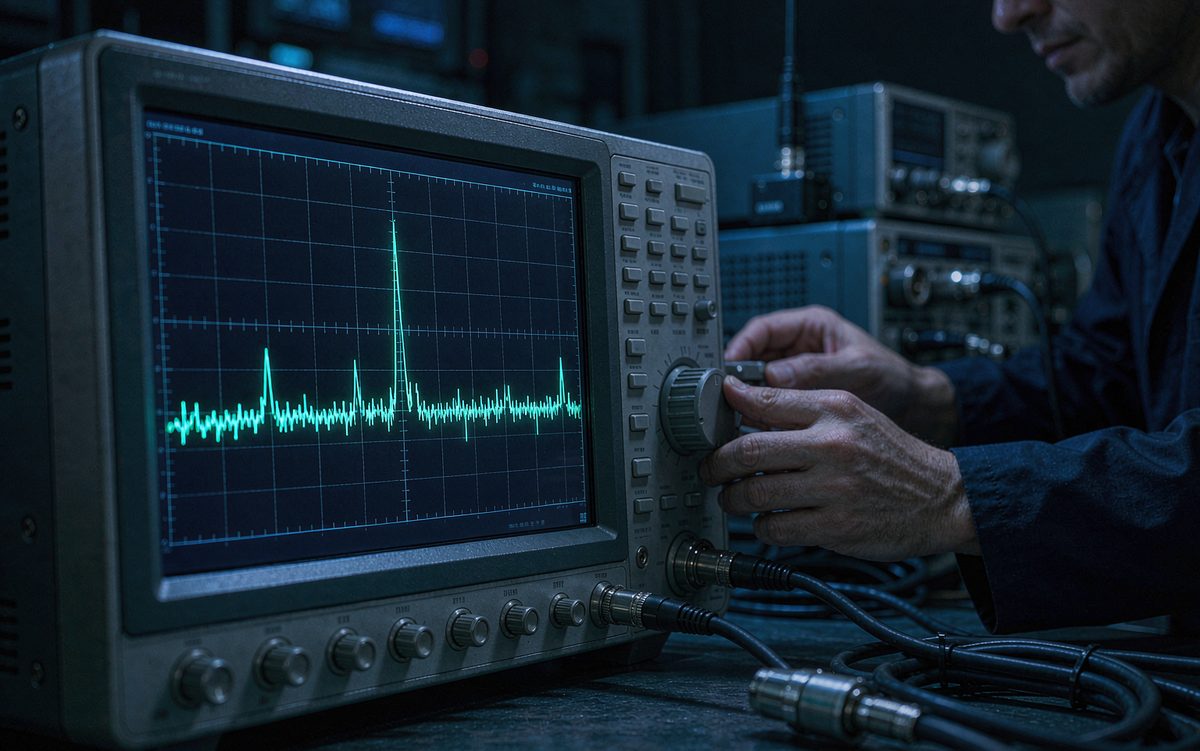
Pre-testing is not a formality. In projects on this line, spurious emissions, harmonics and EMC account for most rework, and 3–5 days of baseline testing up front often saves a whole round of laboratory queuing.
We review the datasheet, antenna documents and network topology, then issue a written determination: which certificates are needed and whether units can be combined.
Baseline runs in the anechoic chamber and EMC lab; over-limit items are fixed first, avoiding a queued formal test that gets returned.
Samples go out per the designated laboratory's schedule; we track progress and rectify non-conforming items.
Document submission, formal review, certificate issuance and marking instructions — each milestone is shared with the project owner.
Overall reference timeline assessed per project, compressible with parallel filing; structural changes or retests extend it accordingly. Fees are quoted item by item according to certification scope and number of models; reference ranges are subject to our written assessment.
Representative clients on this line: Haige Communications, Shenglu Communication, China TransInfo. Specific project models and progress are subject to mutual agreement.
Industry benchmarks: Hytera, Eastern Communications, Tianjin 712, TD Tech, CETC research institutes, Suzhou Keda, VanJee, Genvict, Chengdu Cheegu, Juli, Streamax, Desay SV, Foryou, Hirain, Joyson Electronics.
Policy positions change; below are the articles and community threads we have compiled for this line: